




Spider veins are a common vein condition that many adults notice at some point in their lives. These small, visible clusters of veins often appear on the legs or face, and they tend to draw attention because of their web-like or branching pattern. While they are frequently viewed as a cosmetic concern, learning more about them can help you understand what you are experiencing and what your options may be.
What Are Spider Veins?
Spider veins are small blood vessels that sit close to the surface of the skin and become visible to the naked eye. They usually appear in shades of red, blue, or purple; they may form thin lines, tiny branches, or clustered shapes that resemble a spider’s web. These veins are smaller than varicose veins, which are the larger, raised, and often twisted veins that some people develop. Spider veins are typically flat or only slightly raised. The most common locations include the thighs, calves, ankles, and the face.
Spider veins develop when the tiny valves inside these vessels weaken or when blood flow through the surface veins changes. As blood collects in these small vessels, they become more noticeable through the skin. They appear gradually, and they may increase in number over time.
What Causes Them?
Several factors can contribute to the formation of spider veins. These factors typically influence how blood moves through the surface veins, and this impacts how the vessels respond over time. More than one factor plays a role at the same time, including:
- Genetics: A family history of spider veins or varicose veins can raise the likelihood of developing them.
- Hormone Changes: Shifts in hormone levels are often linked to the appearance of these veins.
- Standing or Sitting: Occupations or habits that involve remaining in one position for long periods may place added pressure on the veins in the legs.
- Sun Exposure: Extended time in the sun can affect the small vessels near the skin.
- Body Weight: Carrying extra weight may increase pressure on the veins in the lower body.
Understanding your own risk factors can give you helpful context when discussing your skin with a professional.
How Does It Affect People?
Spider veins are primarily a visible change on the skin with no accompanying discomfort. Individuals report mild sensations near the affected area in some cases, such as a feeling of heaviness, aching, or slight burning, particularly after long periods of standing. These experiences vary from person to person. These veins are regarded as a cosmetic matter, and they are typically not a source of serious concern.
People may seek information about them because of their appearance rather than any physical symptom; changes in the veins occasionally do signal shifts in circulation that deserve attention. If you notice swelling, pain, skin changes, or veins that grow more prominent, speaking with a professional can help you understand what is happening. A specialist may examine the affected area, review your history, and explain what your specific situation involves.
Speak Further With a Specialist
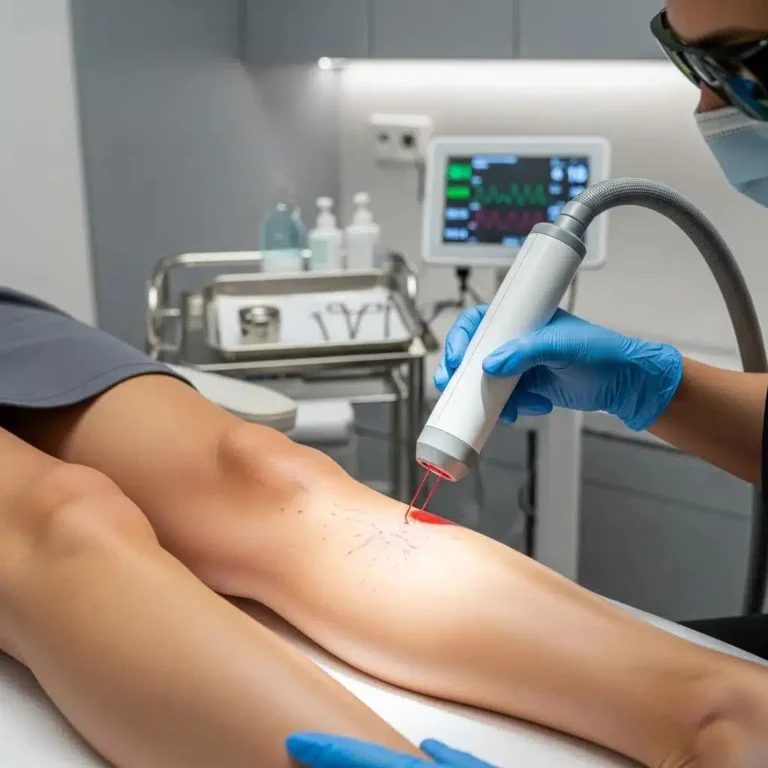
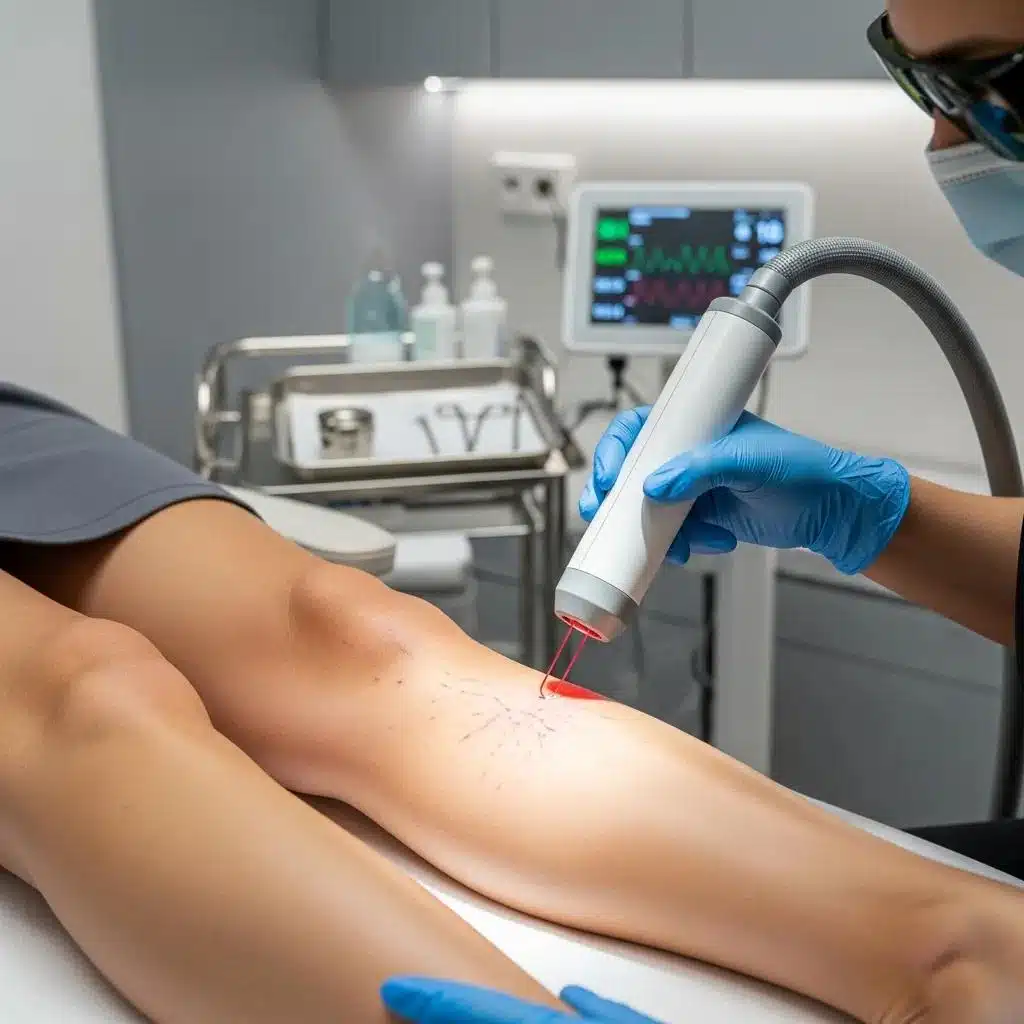
A specialist can offer a closer look at your veins and discuss the range of approaches that are available. Many treatment methods focus on reducing the visibility of surface veins, and a professional may explain how these methods work. Reaching out to a specialist gives you access to accurate, personalized guidance, helping you move forward with a clearer understanding of your condition and your options.